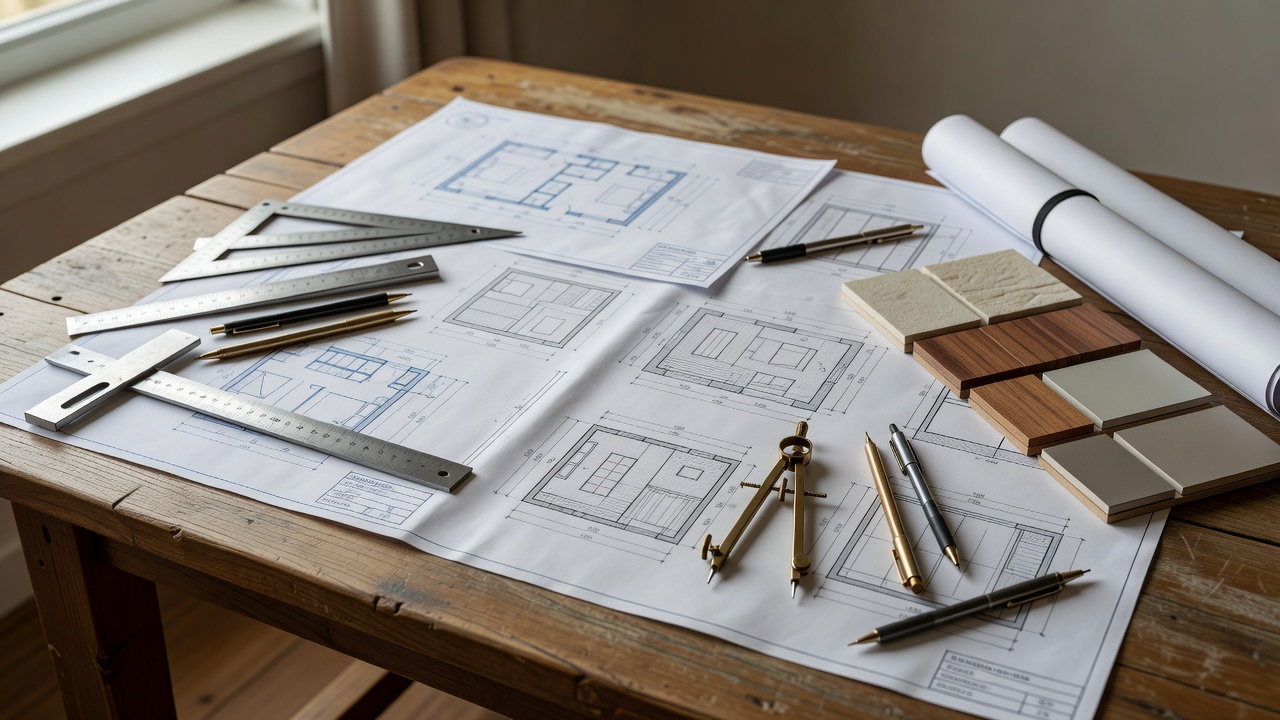
How to improve your home with a clear plan: priorities, budgets, DIY boundaries and room-by-room home renovation ideas that hold their value.
01
Where to start with a home renovation
Fix, then function, then finish.
The most common renovation regret is decorating a room that later needs to be opened up for plumbing, wiring or damp repairs. Begin with an honest condition review: roof and gutters, signs of leaks or damp, heating age, electrical safety and windows. In older homes, ask a qualified surveyor or inspector to assess anything structural and to advise on materials such as asbestos before any drilling, sanding or demolition.
List problems that threaten the building (water, structure, safety) — these come first.
List what frustrates daily life (storage, light, layout, cold rooms).
List what you want aesthetically — and park it until the first two are planned.
Check whether planning permission, building regulations approval or permits apply in your area.
02
Room-by-room improvement ideas
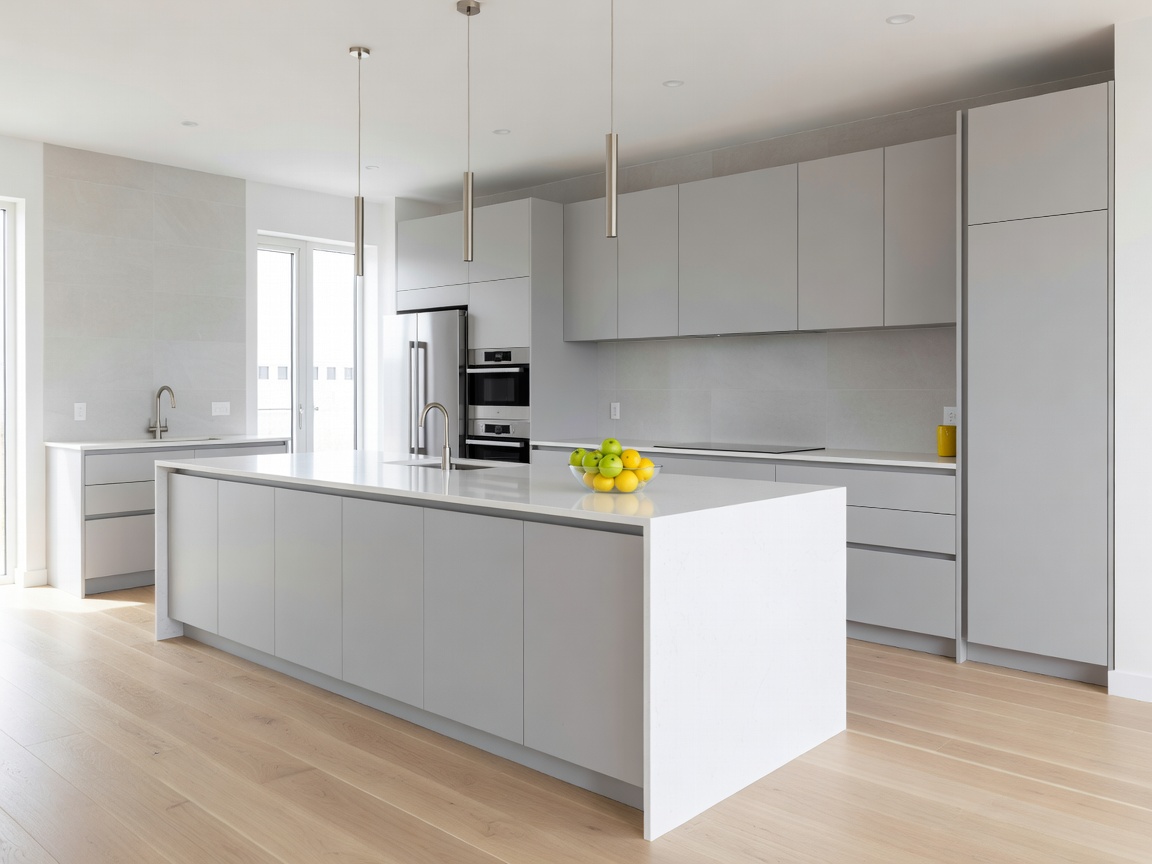
Illustrative photography of an open-plan living space.
Kitchen
Prioritise workflow and lighting. New hardware, a better faucet and under-cabinet LEDs can transform a kitchen for far less than new cabinetry.
Bathroom
Ventilation and waterproofing matter more than tiles. Fix leaks and extraction before cosmetic upgrades.
Bedroom
Fitted storage, warm dimmable light and draught-proofing improve sleep quality and calm.
Living room
Layered lighting, a correctly sized rug and furniture arranged for conversation make the biggest difference.
Hallway
Hooks, a bench with storage and a mirror turn a pinch-point into a functional drop zone.
Garden
Define zones — dining, planting, play — and choose plants suited to your climate and soil.
03
Budget planning for home improvement projects
A realistic budget includes far more than materials. Get at least three written, itemised quotes for professional work, and hold back a contingency — many planners suggest 10–20%, more for older properties where hidden issues are common.
Where renovation money typically goes (illustrative categories)
Cost area
What to include
Often forgotten
Materials & products
Fixtures, finishes, appliances
Delivery, wastage allowance, fixings
Labour
Trades, installation, making good
Return visits, minimum call-out charges
Approvals
Permits, inspections, design fees
Surveys, structural calculations
Disposal
Skip/dumpster hire, recycling
Hazardous-material handling
Contingency
Unforeseen repairs
Living costs if rooms are unusable
Costs vary significantly by region, property and specification; treat this as a planning framework, not a quote.
04
DIY vs professional work
Generally DIY-friendly
Painting, decorating and wallpapering
Flat-pack furniture and wardrobe assembly (with wall anchoring)
Swapping light bulbs for LED/smart bulbs
Re-caulking, draught-proofing strips
Basic garden work and planting
Call a qualified professional
Gas appliances and gas pipework
New circuits, consumer units/fuse boxes, most fixed wiring
Removing or altering walls, beams or joists
Roofing and work at height
Anything that may involve asbestos
Safety first: rules on who may carry out electrical and gas work differ by country and region. When hiring, independently verify licences, registrations and insurance with the relevant authority, and get scope, price and warranty in writing.
Need help finding trades? See our listing for Angi (US) — and always vet any professional independently.
05
Kitchen and bathroom upgrades
Before (simulated)After
Illustrative only — the “before” view is a digitally altered version of the same stock photo, not a real project.
Kitchen improvement ideas with strong everyday impact: better task lighting, a quality faucet such as a touchless pull-down, drawer organisers and refreshed cabinet fronts. In bathrooms, prioritise ventilation, sealing and water efficiency; comfort upgrades like a bidet seat can feel transformative without retiling.
06
Home organization ideas & storage
Declutter before buying storage — then size storage to what remains. Floor-to-ceiling systems such as IKEA PAX use vertical space well. Always anchor tall furniture to the wall to reduce tip-over risk.
One drop zone by the door for keys, bags and post
Drawer dividers in kitchens and bedrooms
Under-bed and over-door storage in small rooms
Labelled bins for seasonal items
07
Lighting
Layered lamp light softens a room in the evening.
Plan three layers: ambient (general), task (kitchen counters, desks, mirrors) and accent (art, shelving). Warm colour temperatures suit evenings; cooler light suits task areas. Smart bulbs like Philips Hue make it easy to shift between scenes. New hard-wired fittings or circuits should be installed by a qualified electrician.
08
Energy efficient home upgrades
The cheapest energy is the energy you don’t use. Work in this order: seal draughts, insulate (loft/attic first where applicable), control heating smartly, then consider bigger systems such as heat pumps or solar with professional assessment. A learning thermostat such as the Nest Learning Thermostat helps avoid heating an empty home.
Look for government or utility incentives in your area — programmes change frequently, so check official sources before committing.
09
Smart home improvements
Choose one ecosystem and favour products supporting open standards like Matter to reduce lock-in. Start with problems smart tech actually solves: heating schedules, lighting scenes, irrigation and security. Secure your network with a strong router password and keep device firmware updated.
10
Garden and outdoor improvements
Healthy planting starts with the right plant in the right place.
Group plants by water need, mulch generously and water early in the day. Weather-aware controllers like Rachio 3 can reduce overwatering. Outdoor electrical sockets and lighting circuits require weather-rated equipment and a qualified electrician.
11
Maintenance and long-term home care
A simple seasonal maintenance rhythm
Season
Tasks
Spring
Check gutters and downpipes, inspect exterior paint and sealant, service irrigation
Summer
Service cooling systems (by a qualified technician), treat timber, check decking
Autumn
Book heating service, bleed radiators where applicable, clear leaves, check draught-proofing
Winter
Test smoke and carbon monoxide alarms, protect pipes from freezing, check for condensation and mould
Use a cordless drill like the DEWALT DCD771C2 for small fixes, and keep a home logbook of warranties, receipts and service dates.
Guide FAQ
How much contingency should I budget for a renovation?
Many planners recommend 10–20% of the project cost, with older properties or structural work warranting the higher end. Your contractor or surveyor can advise for your specific home.
Should I renovate the kitchen or bathroom first?
Address whichever has functional or water-damage issues first. Otherwise, sequence by budget and disruption — and avoid finishing either before any whole-house rewiring or plumbing work.
Are smart home improvements worth it?
They are most worthwhile when they solve a real problem — wasted heating, inconvenient lighting, overwatering. Choose interoperable products and keep them updated.
Cookies on Prireelchoiceindx
We use strictly necessary storage to remember your cookie choice. Optional analytics and marketing cookies are only enabled with your consent. See our cookie policy.